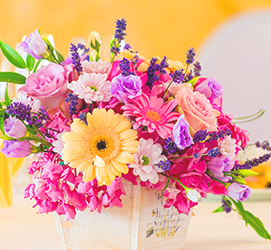
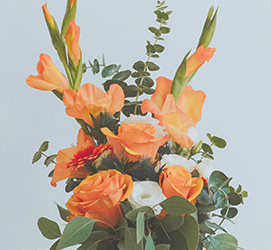
Neighbourhood Spotlight: Unique Blooms for [INSERT LOCAL BOROUGH/POSTCODE]
Posted on 13/11/2025
Neighbourhood Spotlight: Unique Blooms for E17 Walthamstow
Looking for that little spark that makes your street, shopfront, or wedding photos pop? Welcome to our Neighbourhood Spotlight: Unique Blooms for E17 Walthamstow -- a practical, warm, and deeply local guide to choosing flowers that thrive in our corner of East London. If you live around the Village, Hoe Street, Blackhorse Road, or up near Lloyd Park, you already know: Walthamstow has a personality. Loud markets, cosy cafes, unexpected green pockets, and a creative pulse that never quite sits still. Your flowers should match that energy--bold where it counts, resilient where it matters, and a touch unusual. To be fair, that's the fun bit.
In this comprehensive guide, we'll help you pick unique blooms that suit E17's microclimate, street layouts, and everyday life--from doorstep planters and balcony boxes to shopfront installations and event florals. We'll cover seasonal choices, care tips, sustainability, council compliance (yes, it's a thing), and common pitfalls. Plus: a real-world case study from a Walthamstow cafe that transformed its frontage with a locally inspired floral design. You'll get expert advice, clear steps, and a few human moments along the way (because we've all tried to squeeze a 1.2m planter through a Victorian hallway--yeah, we've all been there).
Short story to set the scene: It was raining hard outside that day, the kind of East London drizzle that lingers. A neighbour on my street had just set out a low planter of apricot foxgloves. The colour against the slate-grey pavement? Electric. People slowed. Someone smiled. Tiny, but undeniable. That's the power of the right bloom in the right place.
Table of Contents
- Why This Topic Matters
- Key Benefits
- Step-by-Step Guidance
- Expert Tips
- Common Mistakes to Avoid
- Case Study or Real-World Example
- Tools, Resources & Recommendations
- Law, Compliance or Industry Standards (UK-focused)
- Checklist
- Conclusion with CTA
- FAQ
Why This Topic Matters
Neighbourhood Spotlight: Unique Blooms for E17 Walthamstow isn't just about pretty petals. It's about place-making, wellbeing, and a bit of local pride. Flowers can reduce stress, support urban biodiversity, and brighten commutes. In E17's dense, often paved streets, planting smartly chosen, resilient, and slightly unexpected flowers is a small act that ripples out. Think of balconies spilling with scented jasmine, shopfronts with artichoke blooms, or a hallway bunch that smells faintly of honeyed phlox when you walk in after a long day.
Why E17 specifically? Our local microclimate matters. Walthamstow sits on notoriously heavy London clay, with pockets of shelter among terraced streets, and some wind tunnels along main roads like Hoe Street. The urban heat island effect means summer droughts can hit hard, while winter damp lingers. Certain flowers thrive here. Others sulk. In our experience, the winners are the ones that can cope with pollution, a bit of shade, and inconsistent watering (let's face it, nobody's perfect).
There's also a sustainability angle. Choosing hardy varieties means less waste, fewer replacements, and blooms for pollinators over a longer season. You'll hear more bumblebees on a warm morning. You'll see more colour in February than you thought possible. And you'll feel that small lift--you'll notice it.
Key Benefits
- Local performance: Unique blooms tailored to E17 Walthamstow thrive better on London clay and in urban microclimates.
- Year-round interest: Intelligent sequencing gives you something joyful in every month--translation: fewer dull patches, more moments of "wow".
- Pollinator support: Nectar-rich varieties feed bees and hoverflies that frequent our parks and pocket gardens.
- Lower maintenance costs: Right plant, right place means less watering, fewer replacements, and reduced labour--good for budgets.
- Space-smart designs: Balcony boxes, small front gardens, and slim planters can still be bold--perfect for terraces and flats.
- Brand & curb appeal: For businesses, a characterful floral frontage can boost footfall and social shares. It sticks.
- Compliance-ready: We'll help you avoid council headaches around public realm installations and safe access. Peace of mind matters.
Step-by-Step Guidance
Here's a straightforward, locally tuned plan to create a standout floral scheme that works for E17. Use this whether you're sprucing up a doorstep, fitting out a cafe, or planning event flowers that don't wilt by midday.
1) Read your space (10 minutes to a week)
- Light: Note sun hours. East-facing terraces catch gentle morning sun; west-facing balconies bake after 2 pm.
- Wind: Hoe Street corridors and open corners near Lea Bridge Road can funnel breezes. Tall stems need staking or sheltered positions.
- Soil & drainage: London clay holds water. Use raised beds, improved compost, and grit for containers.
- Access: Measure doorways, hallway turns, and stair widths--especially in Victorian conversions.
Micro moment: You could almost smell the cardboard dust in the air as we wrangled a cedar planter up a narrow stair. Measure first. Always.
2) Pick a focal theme (15 minutes)
Choose a vibe that suits E17's creative energy and your everyday reality. A few high-impact directions:
- East End Botanical: Textural greens, sculptural seed heads, artichoke blooms (Cynara cardunculus), fennel, and ornamental grasses.
- Village Romantic: Cottage-cool with apricot foxgloves (Digitalis), scented stocks, climbing jasmine, and old English roses like 'Lady Emma Hamilton'.
- Urban Modern: A restrained palette--whites, charcoals, and blue-violet spikes (salvias, veronicastrum) with glossy foliage for contrast.
3) Select unique blooms that love E17
Think beyond the standard geranium. For Neighbourhood Spotlight: Unique Blooms for E17 Walthamstow, these are our tried-and-true, slightly offbeat winners:
- Salvia 'Amistad': Long-flowering, bee-magnet, brilliant against brick. Handles heat and a little neglect. Purple that reads rich, not loud.
- Verbena bonariensis: Tall, airy, moves in the wind. Great on small plots because it's visually light but high-impact.
- Apricot Foxglove (Digitalis 'Sutton's Apricot'): Romantic, soft, and surprisingly resilient. Likes dappled shade.
- Perovskia (Russian Sage): Silvery stems that glow at golden hour. Prefers dry feet--good in raised planters.
- Kniphofia 'Mango Popsicle': A modern twist on red hot pokers--compact, striking, and drought tolerant.
- Artichoke (Globe): Big architectural accents. Buds can be cut for vases or left to bloom electric blue.
- Hylotelephium 'Autumn Joy' (Sedum): Succulent-like and reliable, turns from dusty pink to copper in late season. Minimal fuss.
- Climbing Jasmine (Trachelospermum jasminoides): Evergreen, perfumed evenings, perfect for small entrances and courtyard walls.
- Cosmos 'Chocolate': Smells faintly of cocoa in warm weather. Quirky, light, and loved on balconies.
- Wildflower touches: Oxeye daisies, cornflowers, and chicory for park-adjacent verges or planters with a meadowy feel.
Seasonal extras for bouquets: Ranunculus in spring for silky richness, peonies in late spring (short window--worth it), dahlias from late summer to frost, and paperwhites to brighten gloomy January windows.
4) Plan for a full year (not just June)
- Winter: Hellebores, witch hazel ( Hamamelis), and evergreen structure (bay, yew, pittosporum). White cyclamen in pots by the door.
- Spring: Ranunculus, anemones, tulips (choose smaller species for wind-prone spots), wallflowers for scent.
- Summer: Salvias, verbenas, cosmos, jasmine, kniphofia; hydration plan in place.
- Autumn: Sedum, grasses, dahlias, late roses, and seed-head artistry. Let some stand--they look magical in low sun.
Truth be told, the year runs smoother when you stagger bloom times. Clean, clear, calm. That's the goal.
5) Soil and containers (foundation work)
- Compost blend: 60% peat-free compost, 20% well-rotted organic matter, 20% grit/perlite for drainage on clay-heavy sites.
- Container size: Don't skimp--bigger holds moisture better. For tall species like verbena, use weighted bases.
- Watering route: Can you easily reach with a can? If not, run a slimline hose or fit a simple drip system.
- Mulch: Bark or gravel mulch reduces evaporation and keeps things neat.
6) Install and secure safely
- Fixings: Use UKCA-marked wall fixings for arches/trellises. Check brick condition on older terraces.
- Footway clearance: Keep public paths clear (aim 1.2m minimum). More on compliance later--worth a skim.
- Delivery timing: Early morning drops avoid traffic and keep stems cool. E17 mornings can be busy--plan, plan, plan.
7) Care routine (the honest version)
- Water deeply, less often: Encourages strong roots. London clay likes this rhythm.
- Deadhead weekly: Five minutes on a Sunday morning extends flowering. Tea in one hand, secateurs in the other.
- Feed lightly: Seaweed extract every 2-3 weeks in summer keeps things steady without making them floppy.
One quiet July evening, I clipped back a tired-looking salvia and within a week it bounced back, bees and all. Plants can surprise you--give them the chance.
Expert Tips
- Contrast your backgrounds: Against yellow London stock brick, deep purples (salvia) and silver-leaf plants shine. Against painted render, go warm apricots and blush tones.
- Layer heights: Use the 1-2-3 approach--ground cover, mid-height focal, tall airy floaters (like verbena) to create depth in tiny spaces.
- Choose unusual varieties: Instead of basic geraniums, try pelargonium 'Attar of Roses' for scent and spring-to-autumn resilience.
- Fragrance moments: Position scented jasmine near seating, not by the bin store. Obvious once you smell the difference.
- Shade lovers: North-facing front gardens? Go for foxgloves, hellebores, ferns, and white flowers that glow in low light.
- Cut-and-come-again bouquets: Plant cosmos, dahlias, and zinnias for a steady supply of home-grown stems. Your hallway will thank you.
- Event day prep: Chill delicate stems in cool rooms; transport in water; install away from midday heat. Spritz lightly on hot days.
- Local vibe check: For E17's street markets, funky hues win attention; for Walthamstow Village dining terraces, softened palettes feel right.
- Storm-ready: Stake tall stems before the wind arrives--especially along Lea Bridge Road corridors.
- Eco swaps: Use moss, chicken wire, or reusable frames instead of floral foam. Better for rivers, better for us.
Small aside: Ever tried clearing a room and found yourself keeping everything? Editing a planting scheme can feel like that. Remove one plant and suddenly the rest breathe.
Common Mistakes to Avoid
- Buying for the picture, not the place: Not every Instagram bloom likes urban wind or London clay. Choose proven E17 performers.
- Under-potting: Tiny pots dry out by lunchtime in July. Use larger containers with water reservoirs.
- Ignoring pollinators: Double-petal showpieces can be nectar-poor. Mix in single blooms and spires.
- Blocking pavements: Overhanging arches or planters narrowing the footway can land you in hot water with the council.
- Skimping on fixings: A wobbly trellis is an accident waiting. Use rated hardware and check walls.
- One-season wonder: The classic all-summer display fizzles in October. Plan a four-season sequence.
- Heat shock deliveries: Midday van drops in heatwaves wilt stems before you start. Schedule morning runs and shade staging areas.
- Over-watering on clay: Soggy roots equal sulky plants. Deep, infrequent watering works best.
Quick human moment: I once put a massive hydrangea in a slim metal planter outside a doorway. Beautiful for 48 hours. Then the wind said nope. Lesson learned.
Case Study or Real-World Example
Project: Cafe frontage in Walthamstow Village, E17. The brief? "Romantic but modern, low maintenance, and Instagrammable". We aimed for something that felt true to the area: gentle tones, texture, a hint of fragrance, and pollinator-friendly choices.
- Site specifics: East-facing, narrow pavement, mixed brick and render. Moderate wind on corner days.
- Constraints: Footway clearance, no permanent fixings to listed facade, deliveries outside peak hours.
- Plant palette: Apricot foxgloves, white and blush cosmos, salvias, jasmine on a freestanding frame, sedum for longevity, and seasonal ranunculus in spring swap-outs.
- Structure: Weighted trough planters with hidden water reservoirs; freestanding arch-sized to maintain 1.3m pavement clearance.
- Timeline: 2 weeks planning, 1 morning install, follow-up after 10 days.
- Costs: Mid-range. Saved ~18% by choosing perennial backbone with seasonal accents rather than full seasonal turnover.
- Outcome: Increased footfall reported by staff on sunny weekends; multiple customer photos tagged; bees by the second week.
One moment stays with me: early evening, windows steamed, the jasmine caught a breeze and the scent drifted across the pavement. People paused. That pause is everything.
Tools, Resources & Recommendations
For a smooth Neighbourhood Spotlight: Unique Blooms for E17 Walthamstow project, mix the right kit with local knowledge.
Tools
- Secateurs: Bypass type, kept sharp. Makes clean cuts, reduces plant stress.
- Soil knife or hori-hori: Brilliant for dividing perennials and planting in tight spaces.
- Watering can with rose: Gentle watering avoids splash marks on brick and leaves.
- Drip kit for containers: Simple, time-saving, especially for top-floor flats.
- Anchoring kit: UKCA-rated fixings, cable ties, reusable frames for temporary displays.
Supplies
- Peat-free compost: Better for the planet, great structure when mixed with grit on clay.
- Organic mulch: Bark or composted fines to lock in moisture and finish the look.
- Pollinator-friendly seed mixes: Choose UK-native blends; check no invasive species included.
Local-friendly recommendations
- Morning deliveries: Target 7-10 am drops to E17 to avoid traffic and heat. Works wonders for freshness.
- Market scouting: Early Sunday visits to flower markets (arrive before the rush) for unusual stems.
- Community insight: Chat to neighbours and local shop owners; they'll tell you what survives that odd windy corner.
Small aside: Someone once told me, "Walthamstow plants have to be friendly, or the street will spit them out." A little dramatic, but... not wrong.
Law, Compliance or Industry Standards (UK-focused if applicable)
We promised this would be practical. So here's the compliance bit, made human. It's not scary--just smart. Particularly if your blooms touch public space or involve deliveries/installations in E17 (Waltham Forest).
- Highways & footway clearance: If planters or floral arches encroach on public pavements, maintain safe clear widths (aim for ~1.2m minimum, more on busy routes). Obstructing the highway can breach the Highways Act.
- Planning and listed buildings: For shopfront installations, check if your building is listed or in a conservation area (parts of Walthamstow Village are). Temporary, non-invasive frames are often fine, permanent fixings may need consent.
- Public liability insurance: If you're a business installing displays, ensure coverage for accidental damage or injury. Peace of mind for everyone.
- Ladder and work-at-height: Follow HSE guidance--stable footing, correct ladder angle, never overreach. For larger installs, consider towers or professional rigging; LOLER may apply if lifting equipment is used.
- Plant health: UK plant passporting rules apply to certain species and movements. Source from reputable suppliers to avoid pests/diseases (e.g., Xylella risk species). Keep receipts and plant origin info.
- Invasive species: Avoid plants listed under Schedule 9 of the Wildlife and Countryside Act (e.g., Japanese knotweed). Check seed mixes for non-native invasives.
- Waste & packaging: Businesses must comply with Duty of Care for waste. Recycle green waste where possible; minimise single-use plastics. Many florists now use paper wraps and reusable mechanics.
- Vehicle compliance: Deliveries to E17 should consider ULEZ rules for vans and lorries; ensure drivers follow Highway Code loading/unloading guidance and observe local restrictions.
- Temporary events: For large public floral installations (markets, fairs), a Temporary Event Notice (TEN) may be required for associated activities; coordinate with Waltham Forest Council's events team.
Pro tip: Keep a short method statement and risk assessment for any sizeable install. It shows professionalism and speeds up permissions if asked. Honestly, it saves headaches.
Checklist
Use this quick run-through for Neighbourhood Spotlight: Unique Blooms for E17 Walthamstow. Print it, stick it to the fridge, and tick as you go.
- Measure space, doors, and access routes
- Check sun/wind patterns for at least one day
- Choose a theme and a tight colour palette
- Select E17-friendly unique blooms (salvia, verbena, foxglove, sedum, jasmine, kniphofia)
- Plan seasonal sequence for winter through autumn
- Source peat-free compost and mulch
- Confirm fixings, frames, and footway clearance
- Schedule morning deliveries, prepare cool staging area
- Set watering plan (drip or routine), add mulch
- Deadhead weekly, feed light, review seasonally
- Keep receipts and supplier details for plant health traceability
- For businesses: public liability insurance and simple risk assessment
It doesn't have to be perfect. Just consistent. That's where the magic shows up.
Conclusion with CTA
Neighbourhood Spotlight: Unique Blooms for E17 Walthamstow is about shaping small corners of everyday life--the steps you climb, the cafe you love, the balcony you see at sunrise--into something more alive. With the right varieties, a touch of care, and a nod to local rules, your flowers won't just survive here. They'll become part of the neighbourhood's story.
Whether you're after a subtle scent as you open the front door or a storefront that makes people stop for a photo, E17 has the climate, the community, and the creative spirit to make it sing. Start small, or go bold. Either way, you're in good company.
Get a free quote today and see how much you can save.
And if today's not the day--that's okay. Take a slow walk past Lloyd Park at golden hour. Notice what's blooming. You'll come back with ideas.
FAQ
What makes E17 Walthamstow unique for flower choices?
Heavy London clay, urban heat in summer, and pockets of shade between terraces shape which plants thrive. E17-friendly blooms are resilient, pollinator-rich, and happy with occasional wind--think salvia, verbena, sedum, jasmine, and apricot foxgloves.
Which unique blooms handle wind along Hoe Street or Lea Bridge Road?
Go for flexible, airy stems that move rather than snap: verbena bonariensis, grasses, salvias, and sedums. Stake early if needed and use weighted planters.
I only have a balcony. Can I still create a standout look?
Absolutely. Use larger containers to keep moisture, choose long-flowering stars like salvia and cosmos, and add a compact climber like jasmine on a slim trellis. One or two bold pieces beat a dozen tiny pots.
How do I keep blooms alive during a summer heatwave?
Water deeply at dawn, add mulch, provide afternoon shade where possible, and avoid midday installations. Consider self-watering containers or a simple drip system.
Are there council rules for planters on pavements in Walthamstow?
Yes. Keep clear footway widths (aim 1.2m or more), avoid trip hazards, and check if your building is listed or within a conservation area. For large displays, consult Waltham Forest Council and ensure you have public liability insurance if trading.
What are sustainable alternatives to floral foam?
Use moss, chicken wire, reusable plastic-free frames, and water vials. These options reduce microplastics and are kinder to waterways.
Which flowers give me scent without high maintenance?
Climbing jasmine, sweet peas in season, scented stocks, and certain garden roses. Place them near seating or entrances to maximise the fragrance experience.
When should I schedule deliveries for freshest blooms?
Morning deliveries (7-10 am) are best--cooler temperatures, lighter traffic, and more reliable timing. Keep stems in water and away from direct sun before installation.
Do I need permission to fix a floral arch to my shopfront?
Permanent fixings, especially on listed buildings or in conservation areas, may require consent. Freestanding, removable frames are often simpler and compliance-friendly. Always check local guidance.
Which flowers are unusual but easy for beginners?
Try apricot foxgloves, salvia 'Amistad', hylotelephium (sedum), and kniphofia 'Mango Popsicle'. They're distinctive, forgiving, and play nicely with London weather.
How do I support bees and pollinators in E17?
Choose nectar-rich varieties (single blooms, spires), avoid pesticide use, and aim for continuous flowering across seasons--hellebores in winter, salvias and cosmos in summer, sedum in autumn.
What if I rent and can't drill into walls?
Use freestanding planters and weighted frames, over-the-rail balcony brackets, and tension-based supports. You can still get a lush look without a single screw.
How can I keep costs down without losing impact?
Build a perennial backbone (sedum, grasses, jasmine) and refresh with seasonal highlights. Buy fewer, larger containers and invest in peat-free compost and mulch for longevity.
Any quick-win flowers for a last-minute event?
Ranunculus (spring), dahlias (late summer/autumn), and cosmos for airy volume. Combine with foliage from eucalyptus or hardy herbs. Keep stems cool and hydrated.
What do I do with plants at the end of the season?
Deadhead or leave seed heads for winter interest, divide perennials, refresh compost in spring, and compost green waste responsibly. Many perennials get better with age--don't bin them.
Neighbourhood Spotlight: Unique Blooms for E17 Walthamstow is more than a planting plan. It's a way to make everyday life gentler, brighter, and a little more you. Take a breath. Then plant something lovely.


Latest Posts
Neighbourhood Spotlight: Unique Blooms for [INSERT LOCAL BOROUGH/POSTCODE]
Keep Your Poinsettias Fresh for the Holidays
Success Tips for Enthusiastic Orchid Growers